DPF delete kits may promise better performance, but they’re illegal nationwide. This article explains why DPF systems exist, the real legal risks of deletion in Atlanta, GA, and the compliant alternatives that protect your truck, business, and livelihood.
DPF delete kits might look like the holy grail for diesel truck owners sick of constant regenerations, check engine lights, and clogged filters. You’ve heard the claims: more power, better fuel economy, longer engine life. But is it actually legal?
If you're thinking about pulling the plug on your Diesel Particulate Filter (DPF) system, you’d better know what you’re getting into. Because while a delete might sound like a shortcut to better performance, it can come at a steep legal cost.
Is it Legal to Delete a DPF System?
No, it is not legal to delete a DPF system. Under the U.S. Clean Air Act, removing or disabling a Diesel Particulate Filter on any truck driven on public roads is illegal nationwide, and can result in heavy EPA fines, vehicle shutdowns, and voided warranties.
What is a DPF and Why Was It Introduced?
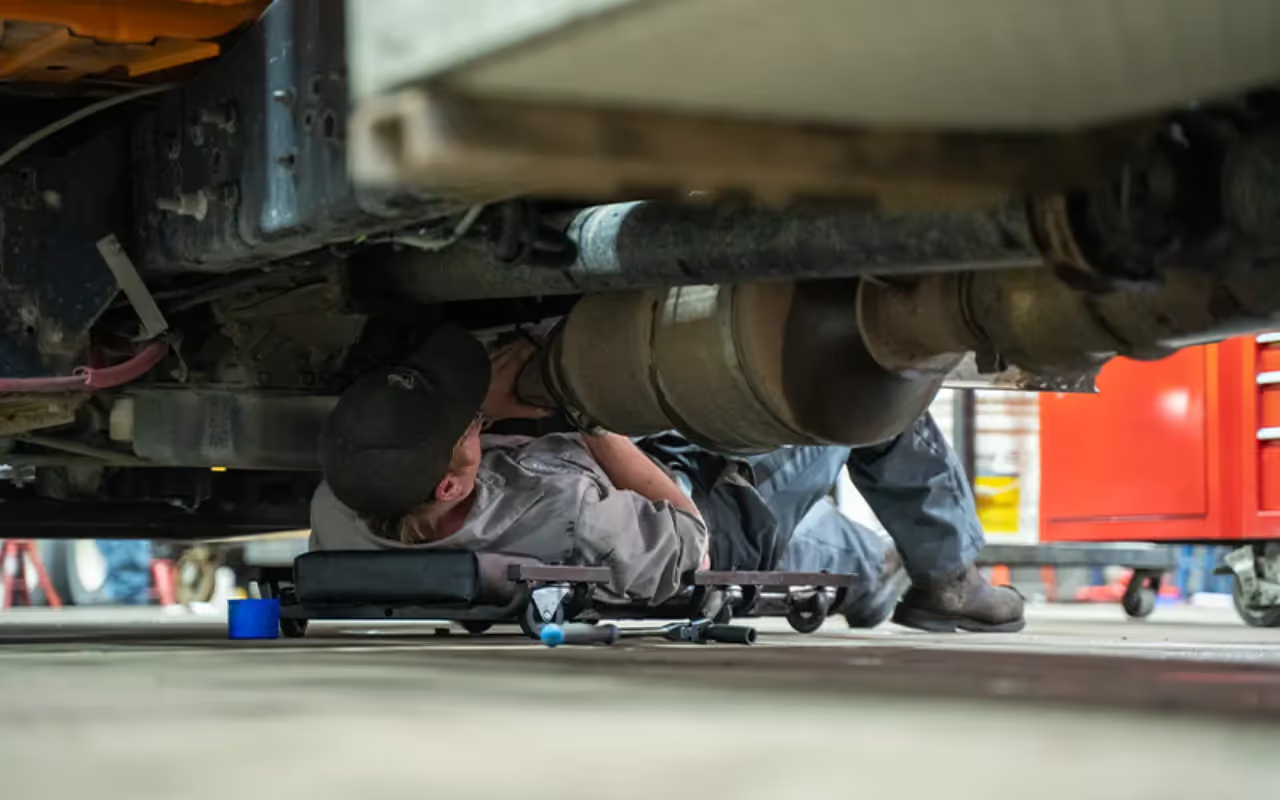
A Diesel Particulate Filter is part of your truck’s after-treatment system. It traps soot and particulate matter before they can be released into the atmosphere. This filter is made of a ceramic-like mesh that captures carbon deposits.
When full, the system performs a regeneration cycle, using high temperatures to burn off the accumulated soot.
Why does this matter? Because diesel exhaust is full of harmful particles that contribute to smog and respiratory problems. So, in 2007, the EPA cracked down, mandating that all heavy-duty diesel trucks be equipped with DPF systems to meet emissions standards.
Why Do Some Owners Want to Delete It?
Regens fail. Filters clog. Sensors throw codes. And when downtime means lost revenue, it’s no surprise some truck owners start Googling “DPF delete kit.”
When you remove the DPF, your truck might:
- Run cooler
- Gain horsepower and torque
- Avoid costly regeneration issues
- See marginal fuel economy improvements
And although this may seem great on paper, none of that matters if your truck becomes illegal to drive.
The Legal Reality: DPF Deletes Are Illegal Nationwide
It doesn’t matter if you’re in Atlanta, Albany, or Alaska; if your truck drives on public roads, federal law prohibits you from deleting your DPF system. That law is the Clean Air Act, and it’s enforced by the Environmental Protection Agency (EPA).
Under this law, it's illegal to:
- Remove, tamper with, or disable any emissions control equipment, including the DPF, EGR, DOC, and SCR systems.
- Sell or install aftermarket devices that allow a vehicle to bypass emissions controls.
- Operate a vehicle with a deleted DPF on public highways.
Just so we’re clear, if your truck has a deleted DPF and it rolls a single mile on a public road, you’re breaking federal law.
Penalties for DPF Deletion
Given how seriously these laws are taken, penalties extend far beyond just a slap on the wrist:
- EPA fines can exceed $45,000 per violation for companies and up to $4,500 per violation for individuals.
- Georgia doesn’t require emissions testing for heavy-duty trucks statewide, but local regulations (especially near metro Atlanta) may still apply.
- If you get caught during a roadside inspection or audit, your truck could be red-tagged or taken out of service.
- Warranties are voided, resale value plummets, and you’ll struggle to get insurance claims paid.
Even if you don’t get pulled over, you’re leaving a digital trail. ECMs log data, and certain tuners leave footprints that dealership techs (or government inspectors) can uncover with just a few pushes of a button.
But What About Off-Road Use?
You’ll see tuners and delete kits marketed as “for off-road use only.” Sounds like a loophole, right?
Well, not exactly. Here’s what that really means:
- If your vehicle is truly off-road (e.g., used on private land, in agriculture, or racing), a DPF delete may be legal.
- However, 99.9% of trucks are still registered, plated, insured, and occasionally driven on public roads, which immediately makes the deletion illegal.
If you're hauling freight, making deliveries, or even just heading to the shop, you’re on public roads.
The Bigger Picture: Why the EPA Cracks Down
The emissions control systems in your truck aren’t there just for government box ticking; think of them as public safety tools. Particulate matter, nitrogen oxides (NOx), and hydrocarbons from diesel exhaust are major contributors to:
- Asthma and respiratory disease
- Environmental smog
- Acid rain and poor air quality
That’s why the EPA has been stepping up enforcement, hitting repair shops, tuners, and fleet owners alike. If you're a fleet operator or technician, knowingly modifying emissions systems could land you in even deeper hot water, including criminal liability.
Legal and Effective Alternatives to DPF Deletes
The good news? You’re not stuck with a failing DPF system. There are ways to get performance and reliability without risking your business or freedom.
Here’s what you can do instead:
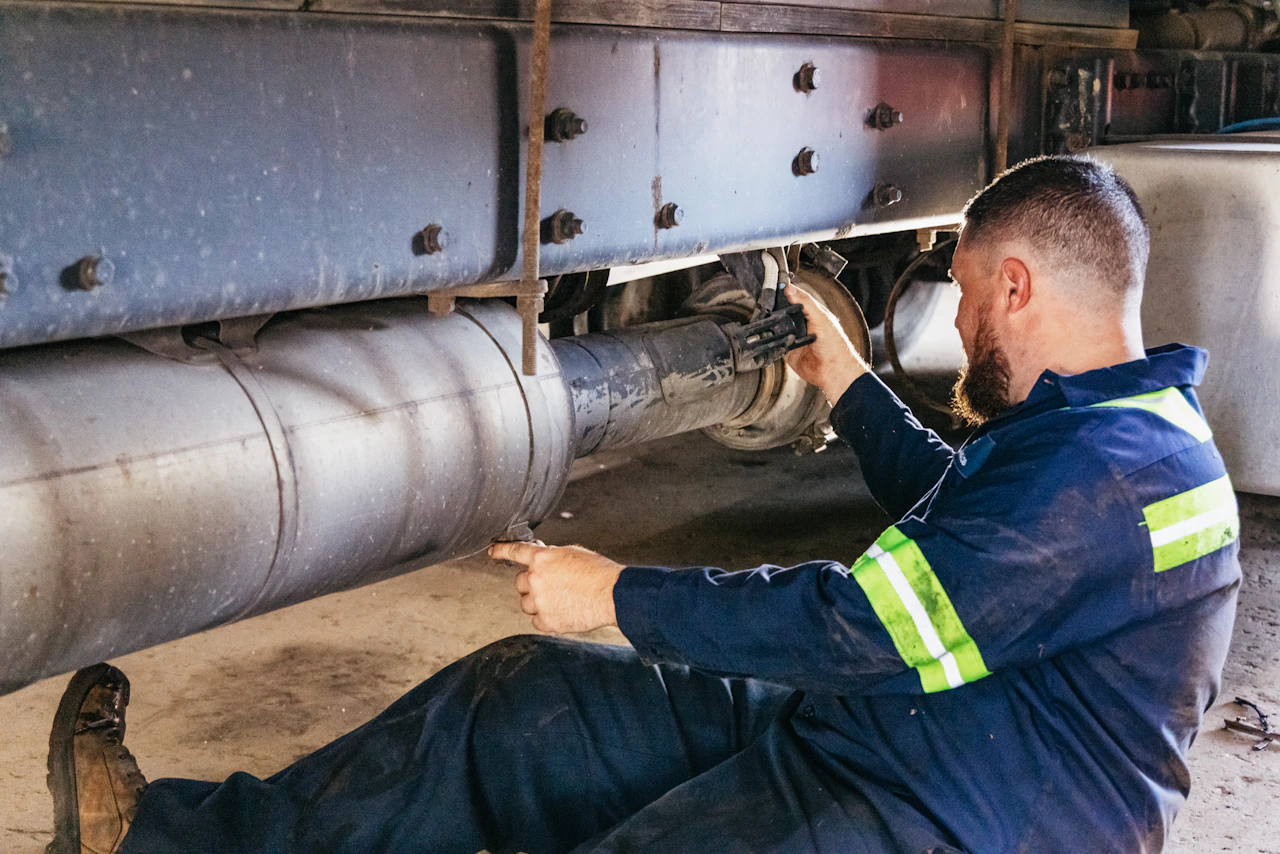
DPF Cleaning: A professional clean can restore flow and extend filter life.
Forced Regeneration: Many shops offer forced regens using diagnostic tools to burn off stubborn soot.
OEM or High-Quality Replacement: If your filter is toast, replace it with an EPA-compliant option.
ECM Optimization: Certain legal tunes can improve performance without removing emissions systems.
Preventive Maintenance: Regular EGR and DEF system inspections keep everything running smoothly and help avoid costly downtime.
Local Considerations in Atlanta, GA
Georgia currently doesn’t require heavy-duty diesel trucks to pass regular emissions tests unless they're located in the 13-county metro Atlanta area. But that doesn’t exempt you from federal law.
Even if you're not inspected every year, federal enforcement doesn’t wait on state policy. And the EPA has been targeting the Southeast, including Georgia, in recent years with inspections and compliance audits.
So, whether you're running a fleet through I-285 or wrenching on a one-man rig in Cobb County, DPF deletion is still illegal.
Final Thoughts: Don't Gamble with Your Livelihood
At the end of the day, deleting your DPF system isn’t just a personal risk—it’s a professional liability. Whether you’re a driver, fleet manager, or shop owner, the legal fallout can destroy your business faster than any breakdown ever could.
You’ve got better options. Legal ones. Reliable ones. Ones that won’t have the feds knocking on your shop door.
News & Articles
Here, you'll find regular articles covering a wide range of topics related to diesel repair, maintenance, and troubleshooting.
%20(1).webp)
Don't Take our word for it.
Read Customer Testimonials.
Where can I start? I had a load on my truck and was stuck with this DPF service situation. Chris worked me in his already booked schedule. Was on time. Communicated the entire time. He found the issue, went and got the part and fixed the truck. He is amazing! We are going to go back and get the vehicle cleaned from them. His prices are more than reasonable. He’s professional and kind. We will continue doing business with him. Let him get you back going to make your money!!
I’ve dealt with Chris on a couple occasions and he’s always professional,a great personality and I felt very comfortable with him at my house..Chris was always straightforward and he’s going to go over and beyond to resolve the problem.
Contact Us
Let us know what is going on with your vehicle, and we will get back to you soon with a quote.